Sissy Lifestyle and Feminized Expression: A Foundational Guide to Identity, Fashion, and Self-Discovery
Explore the sissy lifestyle through fashion, feminine expression, confidence, self-discovery, and community. Learn about clothing, makeup, etiquette, and building a feminized presentation in a healthy and authentic way.
Sissy Lifestyle and Feminized Expression: A Foundational Guide
The term sissy lifestyle has evolved considerably over the years. For some people, it describes a form of feminine self-expression through clothing, appearance, and mannerisms. For others, it is connected to role-play, gender exploration, or participation in specific online communities. Still others simply enjoy adopting traditionally feminine fashion without attaching a particular identity label.
Because the term means different things to different people, there is no single way to define a sissy lifestyle. What many people share is an interest in embracing femininity as part of their personal expression. This can include clothing, beauty routines, posture, communication style, hobbies, and confidence in presenting oneself in a way that feels authentic.
This guide explores the lifestyle from a fashion and personal development perspective while recognizing that everyone’s journey is unique.
What Does “Sissy Lifestyle” Mean?
The word sissy has historically been used as an insult toward boys or men who did not conform to traditional ideas of masculinity. Over time, some people have reclaimed the term as a personal label, while others avoid it entirely and prefer descriptions such as:
- Feminine man
- Femme-presenting person
- Femboy
- Gender-fluid individual
- Non-binary person
- Crossdresser
- Transfeminine person
Not everyone who embraces femininity identifies with the word “sissy,” and it is important to respect the language people choose for themselves.
Why Some People Explore Feminized Expression
There are many reasons someone may enjoy presenting in a more feminine way.
Common motivations include:
- Appreciation for feminine fashion
- Comfort with softer aesthetics
- Curiosity about gender expression
- Creative self-expression
- Participation in cosplay or performance
- Enjoyment of makeup and beauty
- Feeling more authentic
- Exploring different aspects of identity
For many people, feminine presentation is simply another way of expressing personality rather than replacing other parts of who they are.
Building a Feminized Wardrobe
Fashion is often one of the first ways people experiment with feminine expression.
Popular clothing choices include:
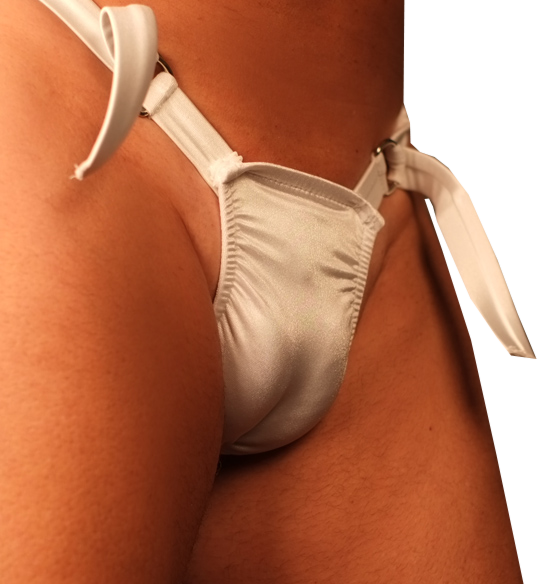
Lingerie
Many begin with:
- Soft panties
- Bralettes
- Camisoles
- Bodysuits
These garments can be worn privately or layered beneath everyday clothing.
Dresses and Skirts
Flowing fabrics, fitted silhouettes, and different lengths allow people to discover styles that suit their preferences.
Popular options include:
- Sundresses
- Sweater dresses
- Mini skirts
- Midi skirts
- Pleated skirts
Leggings and Activewear
Stretch fabrics have become popular because they are:
- Comfortable
- Versatile
- Easy to style
- Available in many colors and patterns
Swimwear
Modern swimwear offers many gender-inclusive choices, including:
- Swim briefs
- Bikini-style swimwear
- One-piece swimsuits
- Gender-neutral designs
- Athletic rash guards
- High-waisted swim bottoms
Many brands now produce inclusive sizing and silhouettes that appeal to a wide range of body types.
Makeup as Creative Expression
Learning makeup techniques can be an enjoyable part of feminine presentation.
Many beginners start with:
- Moisturizer
- Foundation
- Concealer
- Mascara
- Lip gloss
- Eyebrow shaping
Over time, some expand into contouring, eyeshadow, eyeliner, and more advanced techniques.
The goal does not have to be dramatic transformation; subtle makeup can simply enhance natural features.
Hair and Grooming
Hair plays an important role in overall presentation.
Options include:
- Growing natural hair
- Wigs
- Hair extensions
- Different hairstyles
- Hair accessories
Many people also explore skincare routines and regular grooming habits to achieve a polished appearance.
Developing Personal Style
Every feminine wardrobe eventually becomes personal.
Some people enjoy:
Classic Elegance
- Neutral colors
- Tailored clothing
- Simple accessories
Cute and Playful
- Pastels
- Bows
- Floral prints
- Soft fabrics
Modern Fashion
- Crop tops
- Oversized sweaters
- Denim skirts
- Sneakers
- Contemporary streetwear
Glamorous Looks
- Evening dresses
- Heels
- Jewelry
- Bold makeup
There is no single “correct” feminine aesthetic.
Building Confidence
Confidence usually develops gradually.
Helpful strategies include:
- Practicing at home
- Learning fashion fundamentals
- Taking photographs to evaluate outfits
- Trying new colors
- Visiting inclusive environments
- Connecting with supportive communities
Confidence grows through experience rather than perfection.
Voice and Communication
Some people choose to explore different styles of communication.
This might include:
- Softer vocal presentation
- Improved posture
- Elegant body language
- Active listening
- Kindness and empathy
These qualities are not inherently masculine or feminine, but many people include them in their personal style.
Finding Community
Many people benefit from connecting with others who share similar interests.
Communities may be found through:
- Fashion groups
- LGBTQ+ organizations
- Cosplay events
- Inclusive social clubs
- Online discussion forums
- Local support groups
Respectful communities can provide encouragement, practical advice, and friendship.
Understanding the Difference Between Identity and Expression
It is helpful to distinguish between gender identity and gender expression.
- Gender identity refers to a person’s internal sense of who they are.
- Gender expression refers to how someone presents themselves through clothing, hairstyle, behavior, or appearance.
A person can enjoy feminine clothing without identifying as a woman, just as someone can identify as a woman without expressing femininity in traditional ways.
Common Misconceptions
“Feminine Men Are All the Same”
People who enjoy feminine presentation come from diverse backgrounds, cultures, professions, and orientations. There is no single personality type.
“Fashion Determines Identity”
Clothing does not define a person’s gender identity or sexual orientation. Fashion is one form of self-expression.
“You Have to Change Everything”
Many people adopt only the aspects of feminine presentation they enjoy, while keeping other parts of their style unchanged.
Creating a Healthy Lifestyle
A balanced approach to feminine expression includes caring for your overall well-being.
Healthy habits include:
- Regular exercise
- Nutritious eating
- Good sleep
- Skincare
- Stress management
- Building supportive relationships
- Pursuing hobbies and interests
Self-expression is often most rewarding when it is part of a healthy, well-rounded life.
The Future of Inclusive Fashion
Fashion continues to move toward greater inclusivity.
Current trends include:
- Gender-neutral collections
- Expanded sizing
- Softer silhouettes for all genders
- Greater representation in advertising
- More diverse swimwear and activewear
- Increased availability of inclusive beauty products
These changes give more people the freedom to explore styles that feel authentic to them.
Frequently Asked Questions
What is the sissy lifestyle?
The term can refer to different experiences for different people. For some, it describes feminine self-expression through clothing, appearance, and behavior. For others, it may also include role-play or participation in specific communities.
Do you have to identify as transgender?
No. People who enjoy feminine presentation have many different gender identities. Some identify as cisgender men, some as non-binary, some as transgender, and others use different labels or none at all.
Is feminine fashion only for LGBTQ+ people?
No. Clothing and personal style are forms of self-expression available to anyone, regardless of gender identity or sexual orientation.
Where should beginners start?
Many people begin with comfortable clothing, skincare, and learning basic styling techniques before gradually exploring additional fashion or beauty choices.
Can feminine presentation change over time?
Yes. Personal style often evolves with experience, confidence, and changing interests.
Final Thoughts
The sissy lifestyle, when viewed through the lens of fashion and personal expression, is best understood as one of many ways people explore femininity and individuality. Whether someone enjoys soft fabrics, elegant clothing, creative makeup, or simply appreciates a more feminine aesthetic, there is no single path or destination.
Modern fashion increasingly celebrates diversity in presentation, encouraging people to choose clothing and styles that reflect who they are rather than what traditional expectations might prescribe. Ultimately, the most fulfilling approach is one rooted in authenticity, respect for oneself and others, and the freedom to express personal style with confidence.