Life as a Sissy: The Complete Guide to Embracing Feminization, Femininity, Relationships, and the Sissy Lifestyle
Introduction: What Does It Really Mean to Live as a Sissy?
For some men, being a sissy is much more than wearing women’s clothing, slipping into feminine panties, or experimenting with a sexy swimsuit. It is a deeply personal expression of femininity, a lifestyle, an identity, and sometimes an exciting journey of self-discovery.
There are men who have spent their entire lives feeling that traditional masculinity never quite suited them. They may enjoy being male but also have a powerful attraction to feminine clothing, appearance, behavior, and relationships. Others discover that being feminized by a wife, girlfriend, boyfriend, or partner brings them a sense of happiness and fulfillment they never expected.
Then there are men who want to take their feminization much further. They dream of living as feminine males, adopting feminine names, wearing women’s clothing every day, enjoying male-to-female (MTF) transformation fashions, and presenting themselves as female whenever possible.
Life as a sissy can mean something different to every person.
For one individual, it might mean wearing pretty panties beneath ordinary men’s clothing. For another, it could mean dressing entirely as a woman, wearing makeup, and enjoying a completely feminine appearance. Others embrace a relationship dynamic involving consensual submission, chastity, and a partner who helps guide their feminization.
Some want to become as feminine as possible without medically transitioning. Others discover that their exploration of the sissy lifestyle is part of a larger journey toward understanding their gender identity.
There is no single definition of the perfect sissy.
This comprehensive guide explores what it means to live as a sissy, why some men embrace feminization, how to develop a feminine appearance, the role of relationships, and the many ways people incorporate femininity into everyday life.
1. Understanding the Sissy Lifestyle
The word sissy has an interesting and complicated history.
Traditionally, it was used as an insult directed toward boys and men who were considered insufficiently masculine. A boy who preferred feminine activities, avoided aggressive competition, or displayed traditionally feminine mannerisms might have been called a sissy.
Today, some adults have reclaimed the word as a positive description of their feminine identity or lifestyle.
Rather than treating femininity as something embarrassing, they celebrate it.
For many, being a sissy means embracing characteristics traditionally associated with women, including:
- Feminine clothing and lingerie.
- Makeup, hairstyling, and beauty routines.
- Smooth skin and body grooming.
- Feminine swimwear and underwear.
- A softer or more feminine personal presentation.
- Female names and pronouns, when desired.
- Romantic relationships that celebrate femininity.
- Consensual submission or feminization within a relationship.
- Exploring a feminine appearance without necessarily identifying as a woman.
Importantly, being a sissy does not automatically mean someone is gay, transgender, submissive, or interested in sexual fetish activities.
Some sissies are heterosexual men. Others are gay, bisexual, pansexual, or otherwise identify.
Some are comfortable identifying as men, while others consider themselves gender-fluid, nonbinary, or transfeminine.
The lifestyle is as varied as the people who embrace it.
2. Why Do Men Want to Become Sissies?
There is no universal explanation for why someone develops an interest in feminization.
For some, the attraction begins during childhood or adolescence, when they discover an interest in feminine clothing or feel more comfortable expressing traditionally feminine characteristics.
Others begin exploring femininity much later in life.
A married man in his forties, fifties, or sixties might discover that wearing feminine lingerie or swimwear makes him feel attractive in a way that traditional men’s clothing never did.
Several motivations commonly appear in discussions of the sissy lifestyle.
Freedom From Traditional Masculinity
Many men grow up believing they must always be strong, dominant, competitive, and emotionally restrained.
For someone who does not naturally identify with those expectations, masculinity can sometimes feel restrictive.
Embracing a feminine lifestyle may provide freedom from those pressures.
A man can enjoy being gentle, pretty, emotionally expressive, or traditionally feminine without feeling that he must constantly prove his masculinity.
The Pleasure of Looking Feminine
Some men simply love the appearance of femininity.
They enjoy delicate fabrics, attractive lingerie, fitted dresses, beautiful hairstyles, and makeup.
Seeing themselves in the mirror with a feminine appearance can create feelings of excitement, confidence, happiness, or personal satisfaction.
The Appeal of Feminization
For others, the process of transformation is particularly meaningful.
They enjoy watching their appearance change through clothing, cosmetics, grooming, and feminine styling.
A person who normally presents as masculine may find it exciting to create a completely different appearance.
Relationship Dynamics
Some couples enjoy feminization as part of their relationship.
A wife might help her husband select lingerie, teach him makeup techniques, or encourage him to explore feminine clothing.
Other couples incorporate consensual dominance and submission, with one partner helping direct the other’s feminine presentation.
These relationships can be playful, romantic, deeply affectionate, or erotic.
What matters is that both partners willingly participate and respect one another’s boundaries.
Exploring Gender Identity
For some individuals, the sissy lifestyle becomes a starting point for deeper gender exploration.
They may begin by wearing feminine underwear and eventually realize that they want to present as female much more frequently.
Others remain completely comfortable identifying as feminine men.
Neither experience is more authentic than the other.
3. Becoming a Sissy: Where Does the Journey Begin?
One of the most appealing aspects of the sissy lifestyle is that there is no requirement to make an immediate or dramatic transformation.
Many people begin with small changes.
A person might start by purchasing feminine underwear, shaving their legs, or experimenting with a more feminine swimsuit.
Over time, they may discover which aspects of femininity feel most natural.
Starting With Feminine Underwear
Panties are often among the first feminine garments someone experiments with.
They are easy to incorporate into everyday clothing and come in an enormous variety of styles.
Popular choices include bikini panties, thongs, G-strings, lace designs, microfiber briefs, and smooth spandex styles.
Some men prefer panties designed specifically for male anatomy, while others enjoy styles that minimize the appearance of a masculine bulge.
For a beginner, comfort and fit should be the first priorities.
Developing a Feminine Wardrobe
As confidence increases, many people begin expanding their wardrobe.
This might include fitted tops, leggings, skirts, dresses, feminine shorts, hosiery, and sleepwear.
Some enjoy an unmistakably feminine appearance, while others prefer clothing that blends masculine and feminine characteristics.
A person might wear women’s jeans, a fitted top, and delicate accessories while retaining a generally masculine appearance.
Another may prefer dresses, heels, makeup, and a feminine hairstyle.
Both are legitimate expressions of the lifestyle.
Choosing a Feminine Name
Some sissies enjoy adopting a feminine name.
This can help distinguish their feminine presentation from their everyday masculine identity.
A feminine name may be used privately with a partner, among friends, within an online community, or throughout everyday life.
Others prefer to keep their original names.
There is no requirement to change names or pronouns to enjoy feminization.
4. The Art of Feminization: Creating a Feminine Appearance
For people interested in developing a more feminine appearance, feminization can become an enjoyable personal project.
It often involves combining several small changes rather than relying on one dramatic transformation.
Body Hair Removal
Smooth skin is an important part of feminine presentation for many sissies.
Common grooming choices include shaving the legs, underarms, chest, and bikini area.
Some individuals choose waxing, epilation, laser hair reduction, or electrolysis for longer-lasting results.
Others retain some or all of their body hair.
A feminine appearance does not require complete hair removal.
Skincare
A regular skincare routine can improve the appearance and feel of the skin.
A simple routine might include gentle cleansing, moisturizing, and daily sun protection.
Some people also enjoy exfoliation, facial treatments, or cosmetics designed to create a softer-looking complexion.
Makeup
Makeup can dramatically change someone’s appearance.
Foundation, concealer, eye makeup, blush, and lipstick can help create a feminine look.
Beginners often benefit from starting with natural makeup before experimenting with more dramatic styles.
Learning makeup application can also become an enjoyable activity for couples.
Hairstyles and Wigs
Hair plays a major role in how people perceive gender presentation.
Longer hairstyles, feminine cuts, hair accessories, and wigs can all change someone’s appearance.
A well-fitted wig can be particularly helpful for someone who wants to experiment with femininity without changing their everyday hairstyle.
Feminine Body Shaping
Some individuals enjoy creating a more traditionally feminine silhouette.
Options include padded bras, hip padding, shapewear, and clothing that emphasizes the waist.
These methods can create a different appearance without medical treatment.
The goal should be finding a presentation that feels comfortable and personally satisfying rather than trying to meet an unrealistic standard of femininity.
5. Sissy Swimwear: Taking Feminization to the Beach
One particularly exciting area of feminine fashion is swimwear.
Traditional men’s swimsuits typically emphasize a masculine silhouette, with room in the front for male anatomy.
However, modern specialty swimwear offers many more choices.
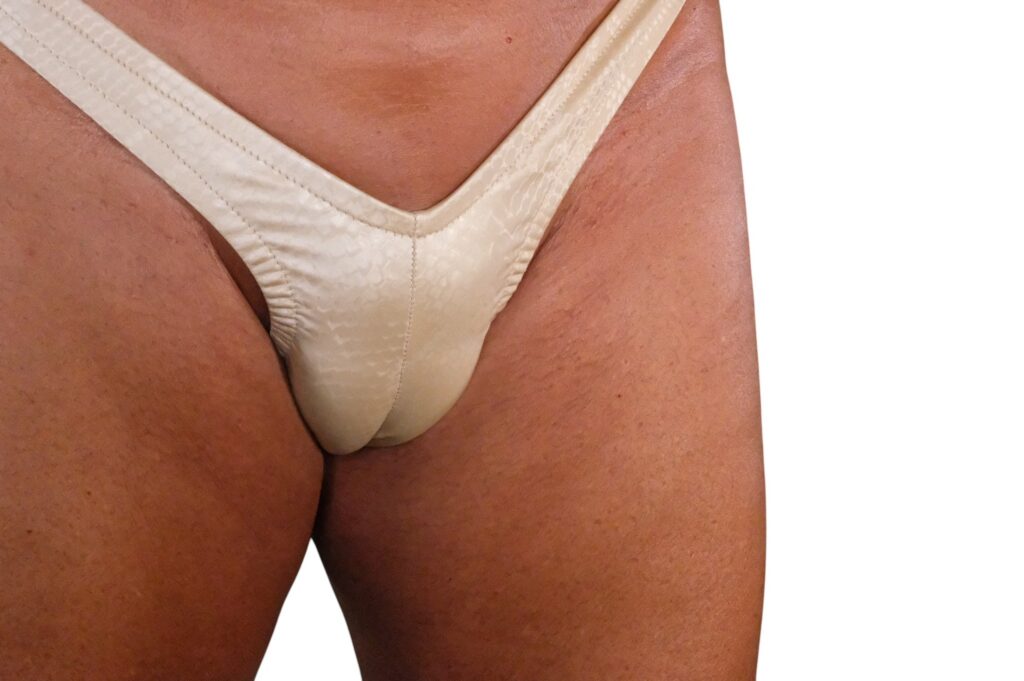
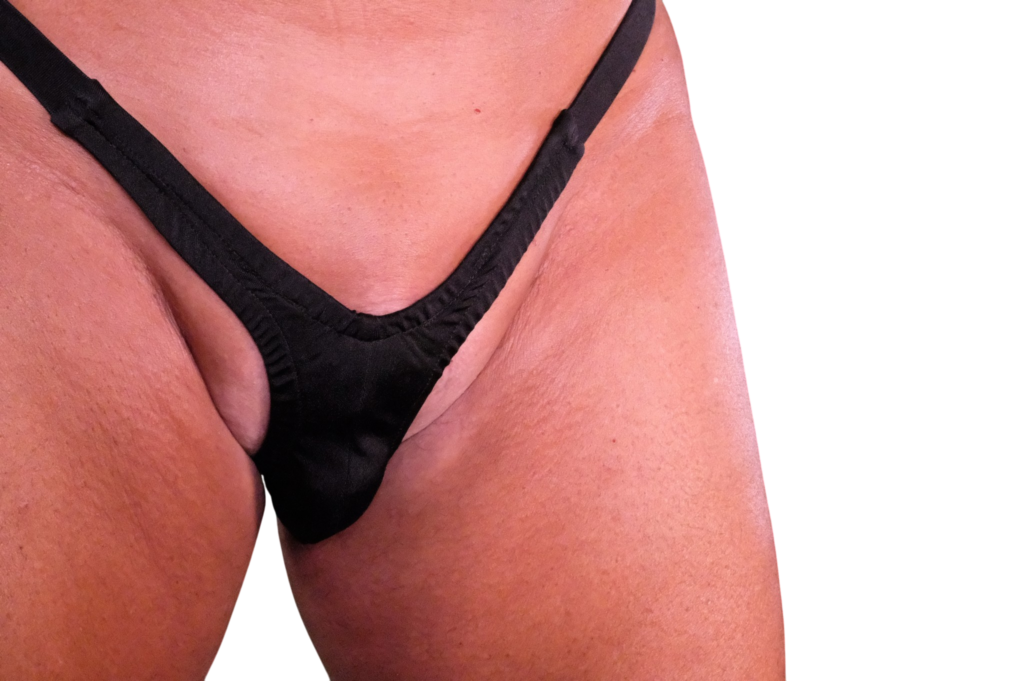
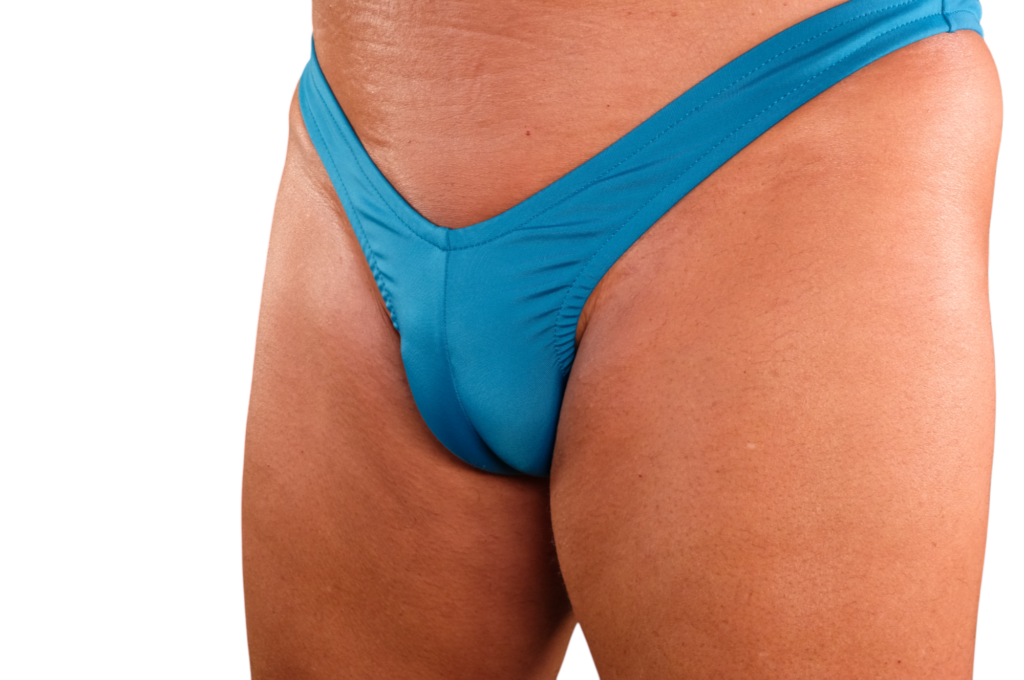
Feminine men, crossdressers, gender-fluid individuals, and transfeminine people can explore styles that range from slightly feminine men’s bikinis to specialized MTF transformation swimsuits.
Men’s Bikini Swimwear
For someone new to feminine swimwear, a small spandex bikini can be an excellent starting point.
Men’s bikinis are available in cuts that resemble traditional women’s bikini bottoms while providing coverage appropriate for male anatomy.
These designs allow the wearer to enjoy narrow sides, high-cut legs, and a minimal appearance.
Men’s Thong Swimwear
Thongs are another option for people who enjoy minimal swimwear.
Some feature a masculine pouch, while others have a smooth, narrow front that creates a more feminine appearance.
Thong swimwear can provide a distinctive look and minimal tan lines.
Micro and Ultra-Micro Swimwear
For more adventurous wearers, micro swimwear offers exceptionally small designs.
These suits use minimal fabric and can create an appearance very different from conventional men’s swimwear.
Some emphasize male anatomy, while others are designed to minimize it.
Because coverage varies considerably, wearers should check opacity, fit, and local beach or pool rules before wearing these styles in public.
MTF Transformation Swimwear
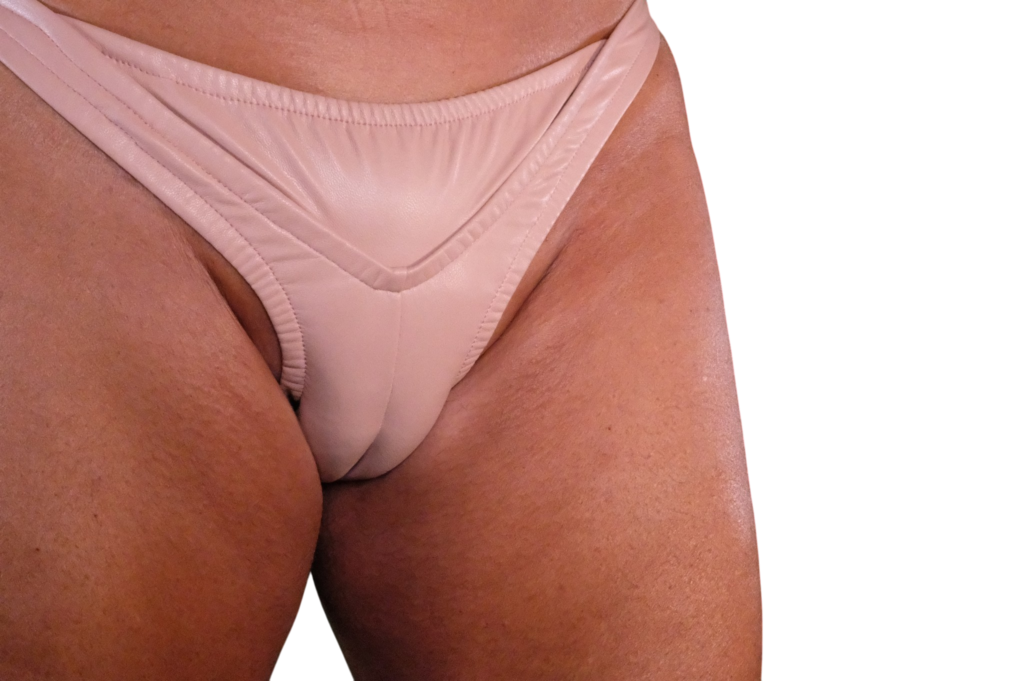
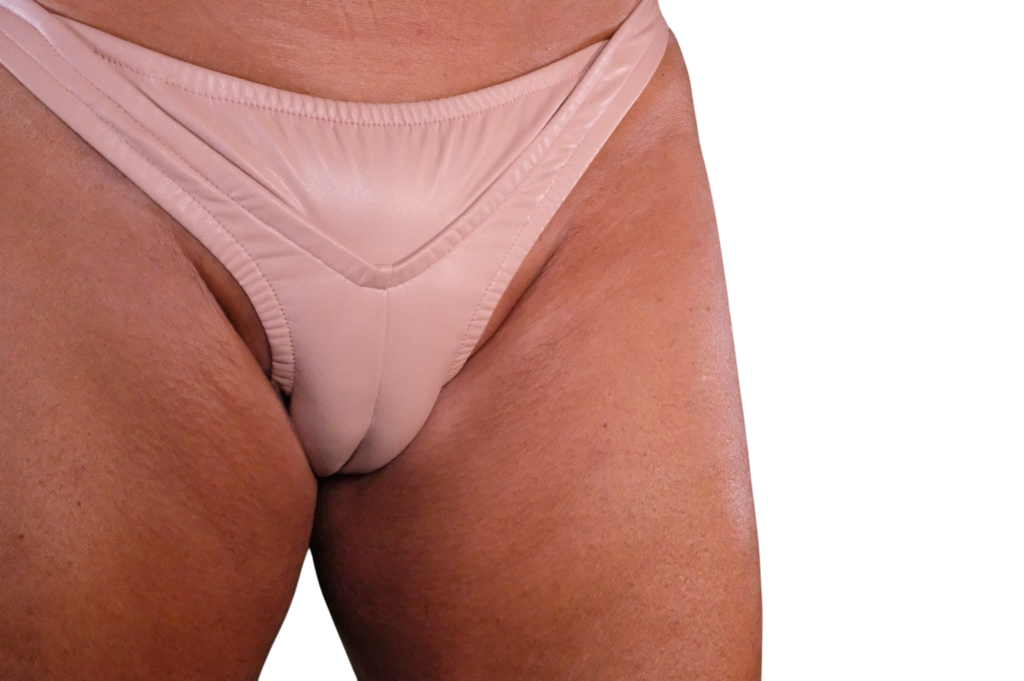
MTF transformation swimsuits are particularly interesting for people seeking a feminine silhouette.
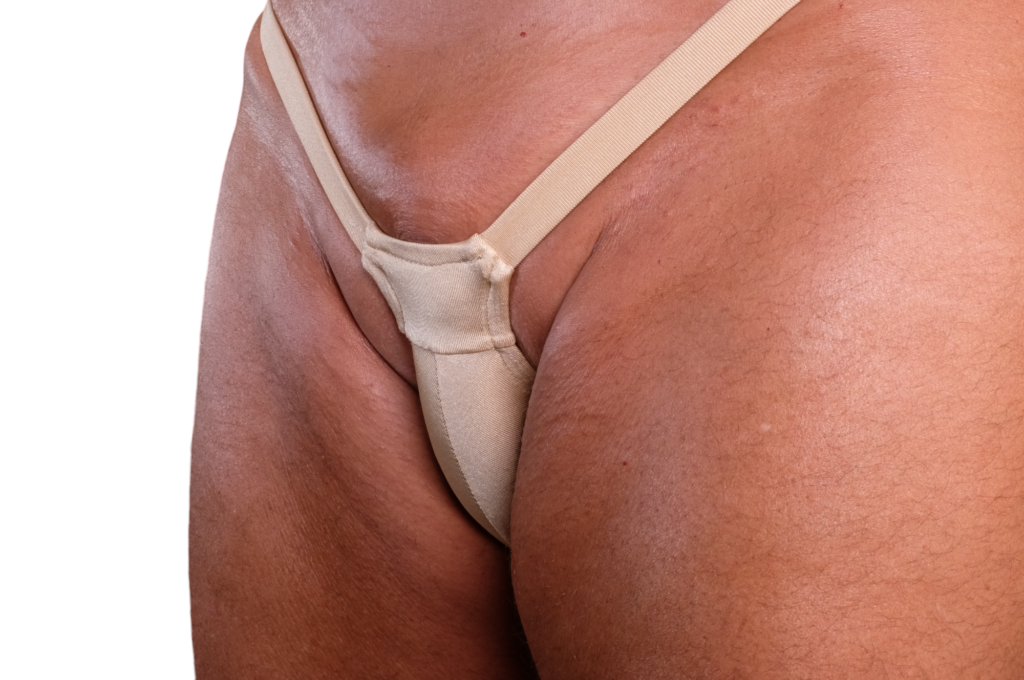
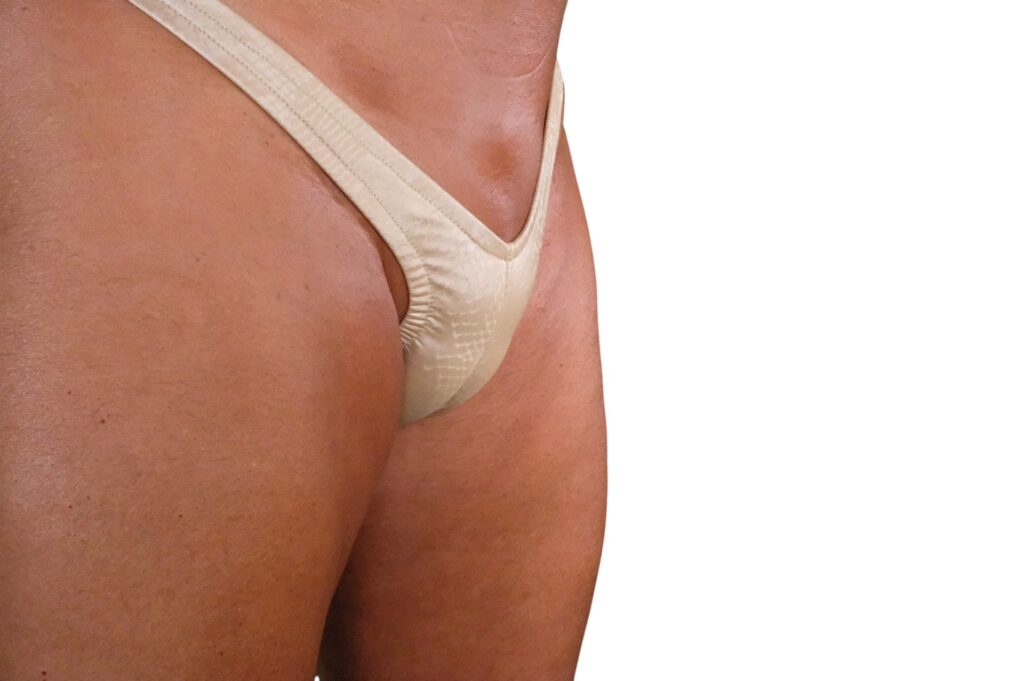
Unlike traditional men’s bikinis, these designs are often constructed to reduce or conceal the appearance of external genitalia.
Some create a flat front, while others use shaping, compression, or carefully positioned fabric to suggest a traditionally feminine contour.
Specialty swimwear companies such as Koalaswim.com offer designs for customers interested in feminine, gender-neutral, and MTF-inspired appearances.
For a sissy who enjoys looking feminine at the beach, choosing the right swimsuit can be a significant step toward greater confidence.
6. Tucking, Feminizing Underwear, and MTF Transformation Designs
One of the most common questions among people interested in feminization concerns the appearance of the genital area.
Some individuals want a feminine appearance while retaining their natural anatomy.
Others want their underwear or swimwear to create the impression of a flat or traditionally female front.
There are several approaches.
Tucking Underwear
Tucking underwear is designed to hold external genitalia in a more discreet position.
Specialized garments, sometimes called gaffs, use supportive fabric and compression to create a smoother front.
For some individuals, this provides the appearance they want without requiring complicated techniques.
Proper sizing is essential. Excessive compression can cause discomfort, skin irritation, or circulation problems.
MTF Panties
MTF panties are designed with feminine presentation in mind.
Some are intended to flatten the front, while others use shaping panels to create a specific contour.
They may resemble ordinary women’s bikini panties, thongs, or lingerie.
These garments can be particularly appealing to individuals who want a feminine appearance beneath their everyday clothing.
FuFu Clips and Feminizing Accessories
Another specialized category includes products commonly described as FuFu Clips, feminizer clips, or female-conversion accessories.
These products are marketed toward people interested in creating the visual impression of female genital anatomy without surgery.
They may be used as part of private feminization, crossdressing, or gender-expression routines.
However, these accessories vary significantly in design, and there is limited clinical evidence regarding their safety.
Any device that pinches, compresses, or restricts sensitive genital tissue can cause injury if improperly fitted or worn too long.
They should never cause numbness, discoloration, persistent pressure, or pain.
A visual transformation created by clothing or accessories is not an anatomical transformation, and no accessory should be treated as a substitute for medical care.
Is Tucking Necessary?
Absolutely not.
Many sissies enjoy feminine clothing without concealing their anatomy.
Some prefer a visible masculine outline beneath feminine swimwear, while others want a completely smooth appearance.
The choice is personal.
Being feminine does not require changing, hiding, or feeling ashamed of any part of the body.
7. Life as a Sissy at Home
For many people, the home is where the sissy lifestyle becomes most comfortable.
A person who feels nervous about expressing femininity in public may find it much easier to experiment privately.
Home can become a place to enjoy feminine clothing, beauty routines, and everyday activities without outside expectations.
Some people maintain separate masculine and feminine wardrobes.
Others gradually incorporate feminine clothing into their regular daily routines.
A typical day might include waking up in feminine sleepwear, completing a skincare routine, selecting comfortable panties or leggings, and spending the evening relaxing in a favorite dress.
For some, femininity becomes so natural that it stops feeling like dressing up.
It simply becomes the way they prefer to live.
Creating a Feminine Personal Space
Some people enjoy organizing a dedicated wardrobe or dressing area.
A vanity mirror, makeup organizer, lingerie drawers, and clothing storage can make feminine presentation more convenient.
These spaces can also help someone develop their own sense of style.
Feminine Routines
Personal routines can become an important part of the experience.
These might include regular grooming, skincare, manicures, hairstyling, wardrobe planning, and learning new makeup techniques.
Rather than treating feminization as an occasional event, these habits allow femininity to become part of everyday life.
8. Being a Sissy in a Marriage or Relationship
One of the most interesting aspects of the sissy lifestyle is the role that romantic partners sometimes play.
Some men explore femininity independently.
Others discover that their wives, girlfriends, boyfriends, or spouses are enthusiastic about participating.
When a Wife Embraces Her Sissy Husband
A wife may initially be surprised to learn that her husband enjoys feminine clothing.
However, some couples discover that sharing this interest creates a new opportunity for intimacy and understanding.
A wife might enjoy helping her husband shop for lingerie, choose outfits, or learn makeup techniques.
For some couples, the experience becomes a shared hobby.
For others, it develops into a more structured feminization relationship.
Feminization as a Shared Experience
Couples may enjoy shopping together, visiting salons, coordinating outfits, or experimenting with feminine swimwear.
A partner might offer styling advice or encourage the other person to try clothing they previously felt too nervous to wear.
The experience can create closeness when both individuals feel comfortable and respected.
The Importance of Communication
Not every partner will be interested in participating.
Some may need time to understand what feminization means to their loved one.
Others may support feminine expression without wanting to participate in every aspect of the lifestyle.
Successful relationships require honest discussions about expectations, boundaries, attraction, privacy, and the role femininity will play in everyday life.
Neither partner should feel pressured to accept activities they do not want.
9. Sissy Training and Consensual Feminization
The expression sissy training is commonly used in adult feminization communities.
It can describe anything from learning feminine grooming and clothing styles to participating in a structured relationship involving dominance and submission.
For some, training is simply a personal improvement program.
They may set goals involving makeup, wardrobe development, hairstyling, confidence, or feminine presentation.
For others, training is part of a consensual adult role-play dynamic.
Personal Feminization Training
A self-directed program might involve learning how to walk comfortably in heels, experimenting with feminine clothing, developing makeup skills, or becoming more confident in public.
Progress can be gradual.
A person might begin by wearing feminine clothing at home before attending a social gathering or visiting a welcoming beach.
Partner-Guided Feminization
Some couples enjoy having one partner guide the other’s feminization.
This can include selecting clothing, planning beauty routines, or setting mutually agreed-upon personal goals.
In a consensual dominance-and-submission relationship, partners may also incorporate rules, rituals, or symbolic acts of submission.
The structure should remain voluntary and adjustable.
Humiliation and Sissy Role-Play
Some adults incorporate consensual embarrassment or humiliation into sissy-themed role-play.
For participants who enjoy this dynamic, the contrast between traditional masculine expectations and feminine presentation can be part of the appeal.
However, humiliation should never become an excuse for emotional abuse, threats, coercion, or violating someone’s privacy.
Consent must be informed, ongoing, and freely revocable.
Private role-play should also remain private unless everyone involved has explicitly agreed otherwise.
10. Male Chastity and the Sissy Lifestyle
Male chastity is another practice sometimes associated with adult sissy communities.
Some participants use chastity devices as part of consensual relationship dynamics involving submission, control, or feminization.
Others have no interest in chastity whatsoever.
Why Some Sissies Explore Chastity
Motivations vary.
Some enjoy the symbolism of surrendering control to a trusted partner.
Others associate a smaller or less prominent genital silhouette with their preferred feminine appearance.
Still others consider chastity a separate interest that happens to overlap with feminization.
Micro and Inverted Chastity Devices
Specialty chastity devices include conventional cages, compact designs, and inverted styles.
Some are marketed toward customers who prefer minimal external projection.
However, smaller is not automatically safer or more comfortable.
An improperly fitted device can cause swelling, abrasion, urinary problems, or impaired circulation.
Any use should prioritize hygiene, safe sizing, regular removal when needed, and immediate removal if pain, numbness, discoloration, or swelling occurs.
Long-term continuous wear, especially with restrictive devices, carries additional risks.
Chastity Is Not a Requirement
It is important to separate the sissy lifestyle from any particular sexual practice.
A person can live happily as a feminine man without wearing chastity devices, participating in submission, or pursuing any fetish-related activity.
11. Living as a Sissy in Public
For some people, one of the most meaningful milestones is expressing femininity outside the home.
The first public experience can be exciting and intimidating.
Someone who has spent years keeping their feminine interests private may feel particularly vulnerable when wearing feminine clothing around strangers.
Fortunately, public presentation does not have to begin with a dramatic transformation.
Starting With Subtle Feminine Clothing
Many people begin with gender-neutral or slightly feminine outfits.
Women’s jeans, fitted shirts, leggings, jewelry, or feminine footwear can provide a starting point.
These choices allow individuals to develop confidence while discovering which styles feel comfortable.
Visiting Welcoming Environments
LGBTQ+-friendly social events, inclusive nightlife venues, supportive community gatherings, and appropriate beaches can offer opportunities to experiment with feminine presentation.
For some, attending an event with a supportive partner or friend makes the experience easier.
The First Feminine Beach Experience
Wearing a feminine swimsuit in public can be especially significant.
A person might begin with a small men’s bikini before progressing to a thong, micro swimsuit, or MTF transformation design.
For those interested in a flat or feminine front, specialized swimwear can help create their preferred silhouette.
The key is choosing a design that feels secure, provides suitable coverage, and is appropriate for the location.
Confidence Develops With Experience
Public confidence often increases through repeated positive experiences.
An outfit that feels intimidating the first time may eventually become completely ordinary.
It is also reasonable to maintain privacy or limit public expression when personal circumstances make that preferable.
There is no obligation to reveal one’s feminine identity to strangers.
12. Are Sissies Gay, Straight, Bisexual, or Transgender?
One of the most persistent misconceptions is that a man who enjoys feminization must be gay.
That is simply incorrect.
Gender expression and sexual orientation are different characteristics.
A heterosexual man may enjoy wearing dresses, panties, and feminine swimwear while remaining exclusively attracted to women.
A gay man may enjoy masculine clothing or feminine clothing.
Bisexual and pansexual individuals may also participate in the sissy lifestyle.
Similarly, enjoying feminine presentation does not automatically mean someone is transgender.
Some sissies identify strongly as men.
Others identify as nonbinary, gender-fluid, or transfeminine.
Some eventually recognize that they are transgender women and prefer to describe themselves differently.
The term sissy is a personal label, not a medical diagnosis or a universal gender category.
It should be used to describe someone only when they are comfortable with it.
13. The Difference Between a Sissy, a Femboy, and a Crossdresser
These identities and expressions often overlap, but they are not interchangeable.
Sissy
A sissy is typically someone who embraces the label as part of a feminine identity, presentation, or adult role-play lifestyle.
For some, the word includes submission or fetish-related associations.
For others, it simply celebrates being a feminine male.
Femboy
A femboy generally describes a boy or man who enjoys feminine presentation while identifying as male or masculine in some respect.
The term is frequently associated with fashion, appearance, and gender expression rather than a specific relationship dynamic.
Crossdresser
A crossdresser wears clothing traditionally associated with another gender.
Crossdressing does not necessarily indicate a particular sexual orientation, gender identity, or interest in submission.
Transfeminine Person
Transfeminine is a broader term for people assigned male at birth whose gender identity or expression moves toward femininity.
Some transfeminine people identify as women, while others identify as nonbinary or another gender.
The important point is that people should be able to choose the descriptions that best represent their own experiences.
14. Can You Be a Sissy Without Wanting to Become a Woman?
Yes.
In fact, this distinction is central to many people’s understanding of the lifestyle.
Some men enjoy appearing female while remaining completely comfortable with their male identity.
They may wear dresses, feminine lingerie, makeup, and MTF swimwear without wanting hormone therapy or gender-affirming surgery.
Others want a more androgynous appearance.
They may prefer to minimize traditionally masculine features while retaining a mixture of masculine and feminine characteristics.
Still others explore feminization and eventually decide that living as a woman better reflects their identity.
These are different personal journeys.
A feminine man does not need to become a woman to justify his femininity.
Likewise, a transgender woman does not need to identify as a sissy or participate in fetish-oriented feminization.
Everyone deserves the freedom to define their own experience.
15. Life as a Full-Time Sissy
For some people, occasional feminization is not enough.
They want femininity to become a regular part of their daily lives.
A full-time sissy lifestyle might involve wearing feminine clothing every day, maintaining a feminine hairstyle, using a chosen name, or presenting in a feminine manner at home and socially.
Others adopt a feminine appearance only in certain settings.
Everyday Clothing
A full-time feminine wardrobe does not necessarily mean wearing dresses and high heels constantly.
Many women wear jeans, leggings, shorts, sneakers, and comfortable tops in everyday life.
A feminine man may find these styles practical as well.
Work and Professional Life
Some individuals feel comfortable expressing femininity at work.
Others maintain a more conventional professional appearance because of workplace expectations or personal privacy.
Workplace policies, legal protections, and social attitudes vary by location.
A gradual approach may help someone understand what is practical in their circumstances.
Social Relationships
Friends and family may respond differently to feminine expression.
Some will be immediately supportive.
Others may need time to understand.
Building a supportive social circle can make an enormous difference.
Long-Term Satisfaction
Living femininely full-time should be based on what makes the individual happy and comfortable.
There is no benefit in creating another rigid set of expectations after leaving behind traditional masculine ones.
16. Can Older Men Become Sissies?
Absolutely.
There is no age limit for exploring femininity.
Some people discover their feminine interests when they are young.
Others begin experimenting in middle age or retirement.
An older man may have spent decades following conventional expectations regarding marriage, career, clothing, and masculinity.
Later in life, he may feel more comfortable expressing interests he previously kept private.
Others discover a new appreciation for feminine fashion without having experienced those interests earlier.
Advantages of Exploring Femininity Later in Life
Older individuals may have greater financial independence, more privacy, and a clearer understanding of their personal preferences.
They may also feel less pressure to conform to the expectations of others.
For couples, later-life feminization can become a shared activity that introduces new experiences into a long-term relationship.
Age does not determine whether someone can enjoy feminine clothing, swimwear, beauty routines, or gender expression.
17. The Emotional Side of Living as a Sissy
Although the lifestyle is frequently discussed in terms of clothing, sexuality, and appearance, its emotional significance can be equally important.
For some, expressing femininity brings relief after years of suppressing personal interests.
Others describe increased confidence, happiness, and a greater sense of authenticity.
However, exploring femininity can also introduce uncertainty.
A person may worry about their partner’s reaction, social acceptance, or what their interests mean for their identity.
These feelings deserve thoughtful consideration.
Learning Self-Acceptance
Self-acceptance begins with recognizing that feminine interests do not make someone inferior.
Enjoying panties, makeup, dresses, or feminine swimwear does not diminish someone’s value.
Nor does it determine whether they are a good spouse, partner, parent, or friend.
Finding Support
Supportive friends, partners, online communities, and LGBTQ+-affirming professionals can provide opportunities to discuss experiences without judgment.
For people questioning their gender identity, a qualified therapist experienced in gender-related concerns may also be helpful.
The objective should be understanding one’s own feelings, not being pushed toward a predetermined identity or outcome.
18. Common Myths About the Sissy Lifestyle
Myth: All sissies want to become women.
Reality: Some do, but many identify as men and have no desire to medically transition.
Myth: All sissies are gay.
Reality: Sissies can have any sexual orientation.
Myth: Feminization always involves sexual submission.
Reality: Some people enjoy consensual submission, but others are interested exclusively in fashion, appearance, or gender expression.
Myth: A sissy must wear women’s clothing all the time.
Reality: Some dress femininely every day, while others do so occasionally.
Myth: A masculine-looking man cannot become feminine.
Reality: People of every body type can experiment with feminine presentation.
Myth: Feminization requires hormones or surgery.
Reality: Clothing, grooming, makeup, and styling can create significant changes in appearance without medical intervention.
Myth: Being a sissy means being weak.
Reality: Femininity and weakness are not the same thing. Expressing oneself authentically can require considerable confidence.
19. Creating Your Own Sissy Lifestyle
The most satisfying approach is usually one that reflects individual preferences rather than outside expectations.
A person interested in exploring femininity might begin by considering several questions.
What aspects of femininity feel most appealing?
Is the attraction primarily about clothing, appearance, emotional expression, gender identity, relationship dynamics, or a combination?
Would feminine presentation feel more comfortable privately or publicly?
Is there a partner who might enjoy participating?
What personal boundaries are important?
How much time, money, and effort does the individual want to devote to feminine fashion and grooming?
Answers may change over time.
Someone who initially enjoys only feminine underwear may eventually develop an interest in makeup and dresses.
Another person may discover that feminine swimwear is their favorite expression and have little interest in other aspects of the lifestyle.
There is no required progression.
Building a Personal Feminization Plan
A practical plan might include developing a basic feminine wardrobe, experimenting with grooming, learning makeup techniques, selecting comfortable underwear, and exploring feminine swimwear.
For people interested in MTF appearance, the plan might also include learning about tucking garments and specialized transformation fashions.
Those who enjoy public presentation can gradually explore appropriate social settings.
For couples, the plan may include shared activities and regular discussions about comfort and boundaries.
The objective is not to become someone else’s idea of a perfect sissy.
It is to create a lifestyle that feels rewarding and authentic.
20. Frequently Asked Questions About Life as a Sissy
Can a married man live as a sissy?
Yes. Some married men incorporate femininity into their daily lives, and some couples enjoy exploring feminization together. Open communication is particularly important.
Can a straight man enjoy being feminized?
Yes. Feminine clothing and gender expression do not determine sexual orientation.
Do sissies have to wear chastity cages?
No. Chastity is an optional adult practice and is not a requirement of feminine expression.
Can a sissy look completely female?
Some individuals can achieve a highly feminine appearance through clothing, makeup, hairstyles, body shaping, and specialized underwear. Results vary with anatomy, styling, and personal goals.
What is the best swimwear for a feminine man?
It depends on the desired appearance. Feminine-cut men’s bikinis, thongs, micro swimwear, tucking swimsuits, and MTF transformation designs all offer different silhouettes.
Can I wear MTF swimwear without being transgender?
Yes. Clothing can be used for personal expression regardless of gender identity.
Are FuFu Clips necessary for feminization?
No. They are optional specialty accessories. Many people achieve their desired appearance using properly fitted clothing or conventional tucking underwear.
Can a sissy live a normal professional and family life?
Yes. Feminine expression can coexist with work, family responsibilities, marriage, friendships, and everyday activities.
Is there an ideal age to begin feminization?
No. Adults can explore feminine expression at any age.
Does being a sissy mean giving up masculinity completely?
Not necessarily. Some people prefer a highly feminine appearance, while others enjoy combining masculine and feminine characteristics.
21. The Future of the Sissy Lifestyle: More Choices and More Freedom
One of the most significant developments in contemporary fashion is the expanding range of clothing available to people who do not follow traditional gender expectations.
Men can explore fitted spandex clothing, bikini underwear, thongs, leggings, feminine swimwear, and styles that would once have been marketed almost exclusively toward women.
Specialty designers have also developed products for individuals who want a smooth, feminine, or gender-neutral appearance.
MTF swimwear, tucking panties, transformation garments, and minimal-front designs provide more choices for people interested in controlling how their bodies appear beneath clothing.
At the same time, online communities have made it easier for feminine men and gender-nonconforming individuals to exchange fashion ideas, discuss personal experiences, and find supportive connections.
Acceptance is not universal, and attitudes still vary considerably between communities and cultures.
Nevertheless, a growing range of clothing options and spaces for discussion gives individuals more opportunities to explore their personal style.
For someone interested in the sissy lifestyle, this variety can make the journey more accessible and enjoyable.
Conclusion: Life as a Sissy Is About Becoming the Person You Want to Be
Life as a sissy can be playful, exciting, romantic, deeply personal, or simply a comfortable way of expressing femininity.
For some men, it begins with a pair of panties and gradually develops into an extensive feminine wardrobe.
Others discover a love for makeup, dresses, and feminine hairstyles.
Some find their greatest enjoyment in wearing tiny spandex bikinis, thongs, or MTF transformation swimsuits that create a distinctly feminine appearance.
Others explore feminization with a supportive wife, girlfriend, boyfriend, or partner, discovering new ways to share intimacy and self-expression.
And for some, femininity becomes such an important part of their lives that they choose to present as feminine males every day.
There is no single way to be a sissy, no required level of feminization, and no universal destination.
You can be masculine in some situations and feminine in others. You can enjoy being male while loving the appearance of women’s clothing. You can experiment with a feminine body silhouette without changing your anatomy or gender identity.
You can embrace femininity at twenty, forty, sixty, or beyond.
The most important thing is that your choices are your own.
Whether your ideal lifestyle involves a pretty pair of panties, a complete feminine wardrobe, a supportive partner, or the confidence to walk onto a beach wearing your favorite MTF bikini, the journey should reflect what makes you feel comfortable, attractive, and fulfilled.
Being a sissy does not have to mean giving up who you are. For many, it means finally giving themselves permission to express a part of who they have always been.