Sissy Lifestyle Guide: Understanding Identity, Expression, Community, and Personal Growth
Sissy Lifestyle Guide: Identity, Fashion, Community & Self-Expression
Discover a complete guide to the sissy lifestyle, including identity, fashion, self-expression, relationships, community, confidence, and personal growth. Learn how people explore femininity safely and authentically.
The Complete Sissy Lifestyle Guide
The sissy lifestyle is one of the most searched topics within gender expression, feminine fashion, roleplay, and alternative self-expression. Yet it is also one of the most misunderstood. For some people, being a sissy is a playful fantasy explored privately or with a partner. For others, it becomes a meaningful lifestyle centered around embracing femininity, confidence, beauty, and personal authenticity.
There is no single definition that fits everyone. The sissy lifestyle exists across a broad spectrum of identities, interests, and experiences. Some people identify as men who enjoy feminine presentation. Others identify as femboys, crossdressers, non-binary individuals, gender-fluid people, or transgender women. Many simply enjoy expressing a feminine side without changing their identity.
This guide explains what the sissy lifestyle can mean, why many people are drawn to it, how individuals explore it safely and respectfully, and how confidence, community, and personal growth often become central parts of the journey.
What Is the Sissy Lifestyle?
The term sissy lifestyle generally refers to embracing feminine expression, behaviors, fashion, or aesthetics in ways that feel personally meaningful or enjoyable.
For different individuals, this may include:
- Wearing feminine clothing
- Learning makeup techniques
- Styling wigs or growing longer hair
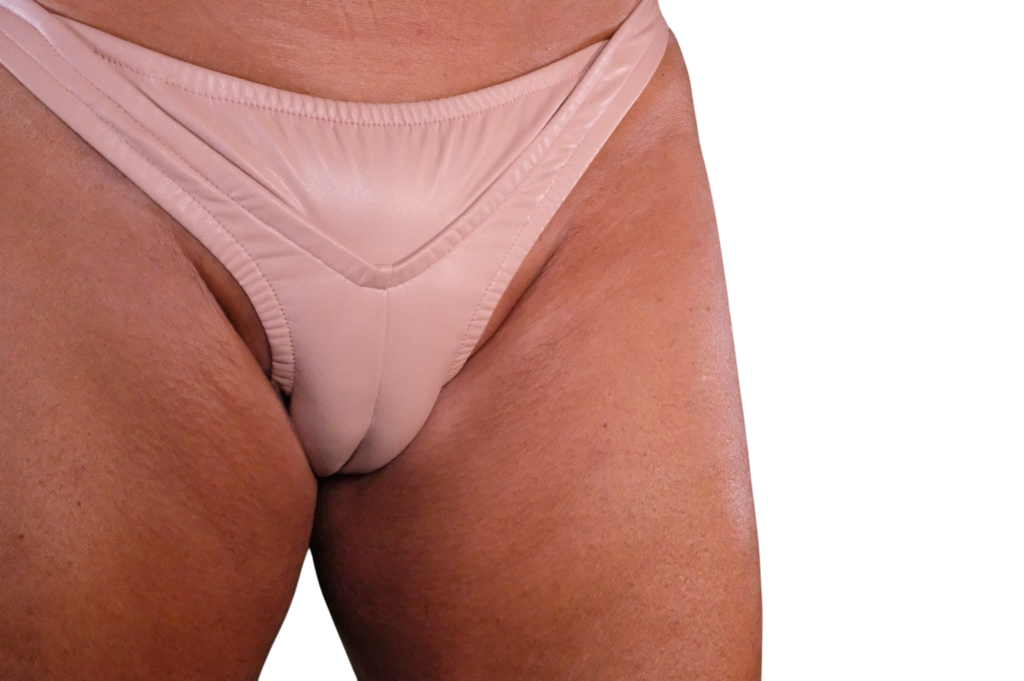
- Wearing feminine underwear
- Exploring feminine swimwear
- Improving skincare routines
- Practicing graceful body language
- Developing confidence through feminine presentation
- Participating in roleplay or fantasy with consenting partners
- Building friendships within supportive communities
The important point is that there is enormous variety. Two people who both describe themselves as sissies may have almost nothing in common beyond enjoying feminine expression.
Why Are People Drawn to the Sissy Lifestyle?
People discover the lifestyle for many different reasons.
Some enjoy the aesthetics of femininity.
Others find feminine clothing softer, more colorful, or simply more enjoyable to wear.
Many describe feeling emotionally comfortable when expressing a feminine side that they previously kept hidden.
Others appreciate the creativity involved in makeup, fashion, accessories, and styling.
Common motivations include:
- Curiosity
- Self-expression
- Stress relief
- Confidence building
- Fashion exploration
- Gender exploration
- Relationship dynamics
- Creative expression
- Body positivity
There is no single psychological explanation that applies to everyone.
Identity Versus Presentation
One of the biggest misconceptions is assuming that feminine presentation automatically determines gender identity.
In reality:
- Some sissies identify as men.
- Some identify as non-binary.
- Some identify as gender-fluid.
- Some later discover they are transgender.
- Others simply enjoy dressing femininely from time to time.
Presentation and identity are related but distinct. Exploring one does not necessarily determine the other.
Building a Feminine Wardrobe
Fashion is often where people begin.
Many gradually develop a wardrobe that reflects the look they enjoy.
Popular clothing choices include:
Everyday Basics
- Soft T-shirts
- Stretch leggings
- Women’s jeans
- Cardigans
- Athletic shorts
- Yoga clothing
Feminine Lingerie
Many enjoy experimenting with:
- Briefs
- Bikini underwear
- Lace panties
- Satin fabrics
- Bodysuits
- Camisoles
Comfort is often more important than appearance, especially when beginning.
Feminine Swimwear
Swimwear has become an increasingly popular way for people to express feminine style.
Popular choices include:
- Bikini bottoms
- High-cut designs
- One-piece swimsuits
- Gender-neutral swimwear
- Compression swimwear
- Feminine athletic swimsuits
Some people look for designs that create a smoother silhouette, while others simply prefer the colors, cuts, or styling associated with feminine swimwear.
Comfort, confidence, and choosing styles appropriate for the setting are often the most important considerations.
Learning Makeup
Makeup is another major step for many beginners.
Most people start with:
- Foundation
- Concealer
- Mascara
- Eyeliner
- Lip gloss
- Blush
As confidence grows, many explore:
- Contouring
- Eye shadow
- Brows
- Highlighting
- Color correction
Like any artistic skill, makeup improves with practice.
Hair and Wigs
Hair can dramatically change appearance.
Options include:
- Growing natural hair
- Purchasing quality wigs
- Learning wig styling
- Hair extensions
- Hair accessories
Many beginners start with affordable synthetic wigs before investing in higher-quality options.
Skincare
Healthy skin often becomes part of a feminine presentation routine.
A simple routine may include:
- Gentle cleanser
- Moisturizer
- Sunscreen
- Exfoliation a few times per week
- Lip care
Consistency generally produces better results than using many products at once.
Fitness for a Feminine Look
Many people interested in feminine aesthetics also adopt fitness routines focused on overall health and body composition.
Common goals include:
- Improved flexibility
- Better posture
- Stronger core muscles
- Glute development
- Cardiovascular fitness
These goals can support confidence regardless of gender identity.
Voice and Communication
Some individuals enjoy experimenting with a softer speaking style or more expressive communication.
Others choose not to change their voice at all.
There is no requirement to sound or speak in any particular way.
Confidence Is Learned
Many beginners worry about:
- Being judged
- Looking “convincing”
- Shopping in public
- Wearing feminine clothing outside the home
Confidence typically develops gradually through experience.
Small steps often work best:
- Wearing feminine underwear privately
- Trying makeup at home
- Wearing gender-neutral clothing in public
- Visiting accepting communities
- Building supportive friendships
Relationships
Many partners discover the lifestyle together.
Healthy relationships generally involve:
- Honest communication
- Mutual respect
- Clear boundaries
- Consent
- Patience
Some partners enthusiastically participate.
Others may need time to understand.
Open conversations are usually more productive than secrecy.
Finding Community
Many people benefit from connecting with others who share similar interests.
Communities exist through:
- Online discussion forums
- LGBTQ+ organizations
- Fashion groups
- Makeup communities
- Crossdressing support groups
- Local social events
Supportive communities often provide practical advice and encouragement while respecting the diversity of individual experiences.
Privacy
Some people are completely open.
Others prefer privacy.
Ways to protect privacy include:
- Secure online accounts
- Respecting personal boundaries
- Separating public and private social media if desired
- Communicating expectations with trusted friends or partners
Everyone should be able to decide how much of their personal life they wish to share.
Mental Well-Being
Exploring identity or presentation can bring excitement, but it can also raise questions about self-image or relationships.
Helpful practices include:
- Self-reflection
- Journaling
- Speaking with trusted friends
- Connecting with supportive communities
- Consulting an affirming mental health professional if desired
There is no deadline for figuring everything out.
Common Misconceptions
Myth: Every sissy wants to transition.
Reality: Many do not. Some remain comfortable identifying as men, while others may identify as non-binary, gender-fluid, or transgender. Every journey is different.
Myth: It is only about clothing.
Reality: For many people, fashion is one aspect of broader self-expression, creativity, confidence, or identity exploration.
Myth: It has to be public.
Reality: Some people enjoy feminine presentation privately, while others are comfortable expressing it in everyday life.
Myth: Everyone has the same goals.
Reality: People participate in the lifestyle for many different reasons, and no single path fits everyone.
Building Confidence Over Time
Many people find that confidence grows through small, consistent steps rather than dramatic changes.
Helpful milestones can include:
- Building a wardrobe that feels authentic
- Learning basic makeup skills
- Developing a skincare routine
- Finding supportive friends
- Exploring fashion that matches your personality
- Practicing self-acceptance
- Celebrating personal progress rather than comparing yourself with others
Frequently Asked Questions
Is the sissy lifestyle the same as being transgender?
No. Some people who identify with the sissy lifestyle are transgender, but many are not. Gender identity and gender expression are separate concepts.
Can someone enjoy feminine clothing without changing their identity?
Yes. Clothing choices do not determine gender identity.
Do people participate privately?
Many do. Others share their interests with partners, friends, or supportive communities.
Is makeup required?
Not at all. Some people enjoy makeup, while others focus on clothing, hairstyles, or other forms of expression.
Is there a right way to explore the lifestyle?
There is no single correct path. Exploring at your own pace, respecting your own boundaries, and communicating openly with partners are all important.
Final Thoughts
The sissy lifestyle encompasses a wide range of experiences centered on feminine expression, creativity, and personal authenticity. For some, it is an occasional form of self-expression; for others, it becomes an important part of everyday life. There is no universal definition, no required wardrobe, and no single destination.
Whether someone is experimenting with fashion, developing makeup skills, exploring aspects of their gender expression, or simply enjoying a more feminine aesthetic, the most sustainable approach is one grounded in self-acceptance, informed choices, respect for personal boundaries, and supportive relationships. By moving at a comfortable pace and focusing on what genuinely feels right, individuals can build confidence while expressing themselves in ways that reflect their own values and personality.