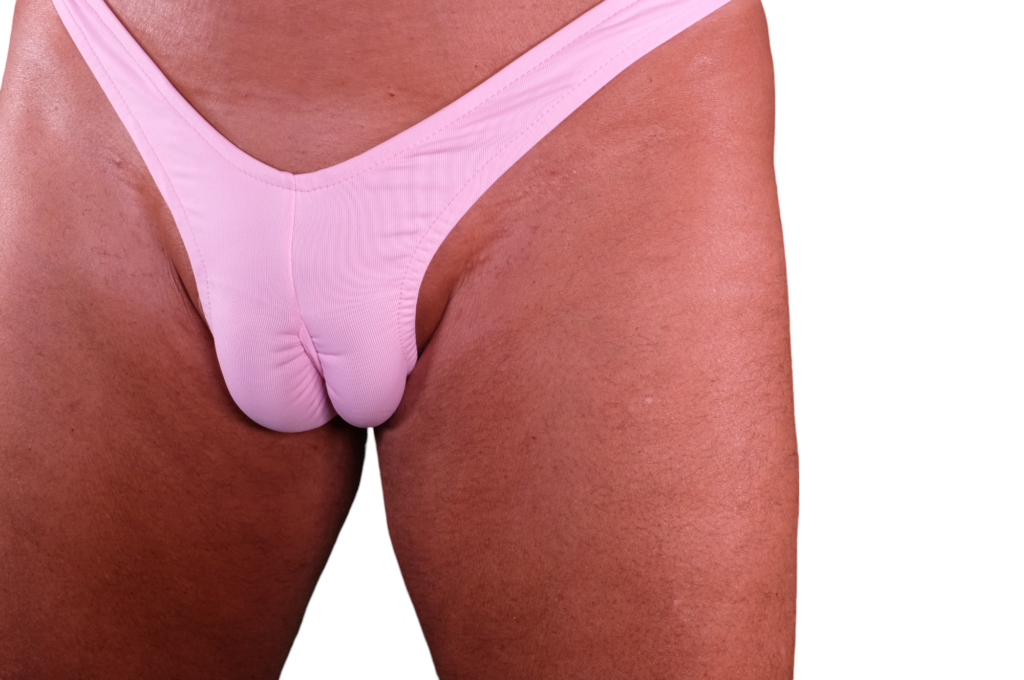
What Does It Mean to Be a Sissy Boy? Understanding the Identity, Expression, and Journey
The term “sissy boy” is one of those words that can mean very different things depending on who is using it.
Historically, it was often used as an insult aimed at boys or men seen as too feminine. Today, some people have reclaimed the word and use it voluntarily to describe a form of gender expression, identity exploration, roleplay, aesthetics, or erotic self-expression.
For some, being a sissy is about fashion and femininity.
For others, it is connected to submission, performance, transformation fantasies, or exploring softer traits that traditional masculinity discouraged.
Importantly: not all feminine men identify as sissies, and not all people who identify as sissies are transgender. These are different experiences that can overlap but are not the same thing.
The Different Meanings of “Sissy”
Because the term has multiple uses, it helps to separate them.
1. Sissy as Feminine Expression
For some people, being a sissy means embracing:
- softer presentation
- feminine clothing
- playful femininity
- beauty routines
- emotional openness
- rejecting rigid masculine expectations
This version may involve no sexual element at all.
Someone might enjoy:
- lingerie
- skirts
- cute aesthetics
- softer movement
- feminine swimwear
- makeup
- playful identities
For them, the experience can feel freeing.
2. Sissy as Roleplay or Kink
For others, “sissy” exists mainly in fantasy or consensual adult roleplay.
Themes sometimes include:
- exaggerated femininity
- submissive dynamics
- transformation fantasy
- rituals
- symbolic surrender of traditional masculinity
For these individuals:
- the experience may happen only occasionally
- it may exist entirely in private
- it may be separate from daily identity
A person may enjoy the role while continuing to identify as male in everyday life.
3. Sissy as Gender Exploration
Some people discover the term while exploring broader questions:
- “Do I enjoy femininity?”
- “Would I rather present differently?”
- “Am I gender fluid?”
- “Do I like being seen in a softer way?”
- “Am I simply a feminine man?”
For some this remains expression.
For others it becomes part of a larger gender journey.
What Steps Might Someone Take if They Want to Explore Being a Sissy?
There is no official path.
People usually move gradually and keep only what feels authentic.
Step 1: Explore Feminine Style
For many people the first step is appearance.
Examples:
- softer fabrics
- slimmer silhouettes
- underwear or swimwear that feels more expressive
- colors and cuts they previously avoided
- grooming changes
People often discover that presentation exists on a spectrum.
Some stay subtle.
Others enjoy dramatic transformation.
Step 2: Experiment With Presentation
Presentation is broader than clothing.
Some people explore:
- different posture
- softer body language
- longer hair
- skincare
- makeup
- jewelry
- voice experimentation
The goal is usually not imitation.
It is discovering what feels enjoyable.
Step 3: Develop a Feminine Side
For many people the experience becomes less about appearance and more about permission.
That may include:
- being emotionally expressive
- enjoying beauty culture
- allowing vulnerability
- relaxing traditional expectations
Many describe this as becoming more complete rather than becoming someone else.
Step 4: Create Rituals or Private Space
People who enjoy structured exploration sometimes create routines.
Examples:
- dedicated outfits
- themed evenings
- journaling
- styling sessions
- trying different personas
This can make the experience feel intentional rather than random.
Step 5: Decide What Belongs in Fantasy vs Real Life
This step matters.
Questions people sometimes ask themselves:
- Is this fashion?
- Is this private roleplay?
- Is this self-expression?
- Is this connected to identity?
- Do I want others to see this side?
There is no correct answer.
Many people keep it private.
Others share it openly.
Common Myths About Becoming a Sissy
Myth: “You have to stop being masculine.”
False.
Many people move between masculine and feminine expression.
Myth: “Being a sissy means being transgender.”
False.
Some sissies are trans.
Many are not.
Myth: “You have to change your body.”
False.
Most exploration happens through style, behavior, fantasy, or presentation.
Myth: “You need to fit stereotypes.”
False.
There is no required look.
The Emotional Side
One reason people are drawn to this identity is that it creates permission.
Permission to:
- play
- experiment
- be softer
- challenge expectations
- enjoy aesthetics
- express parts of themselves they kept hidden
For some, it becomes a long-term identity.
For others, it remains occasional exploration.
Final Thoughts
Being a sissy boy means different things to different people. For some it is feminine self-expression. For some it is fantasy or roleplay. For others it becomes part of a broader exploration of gender or identity.
There is no single path and no checklist.
Most people who explore it do so gradually—through clothing, presentation, aesthetics, emotions, and discovering which parts feel exciting, comfortable, or authentic to them.